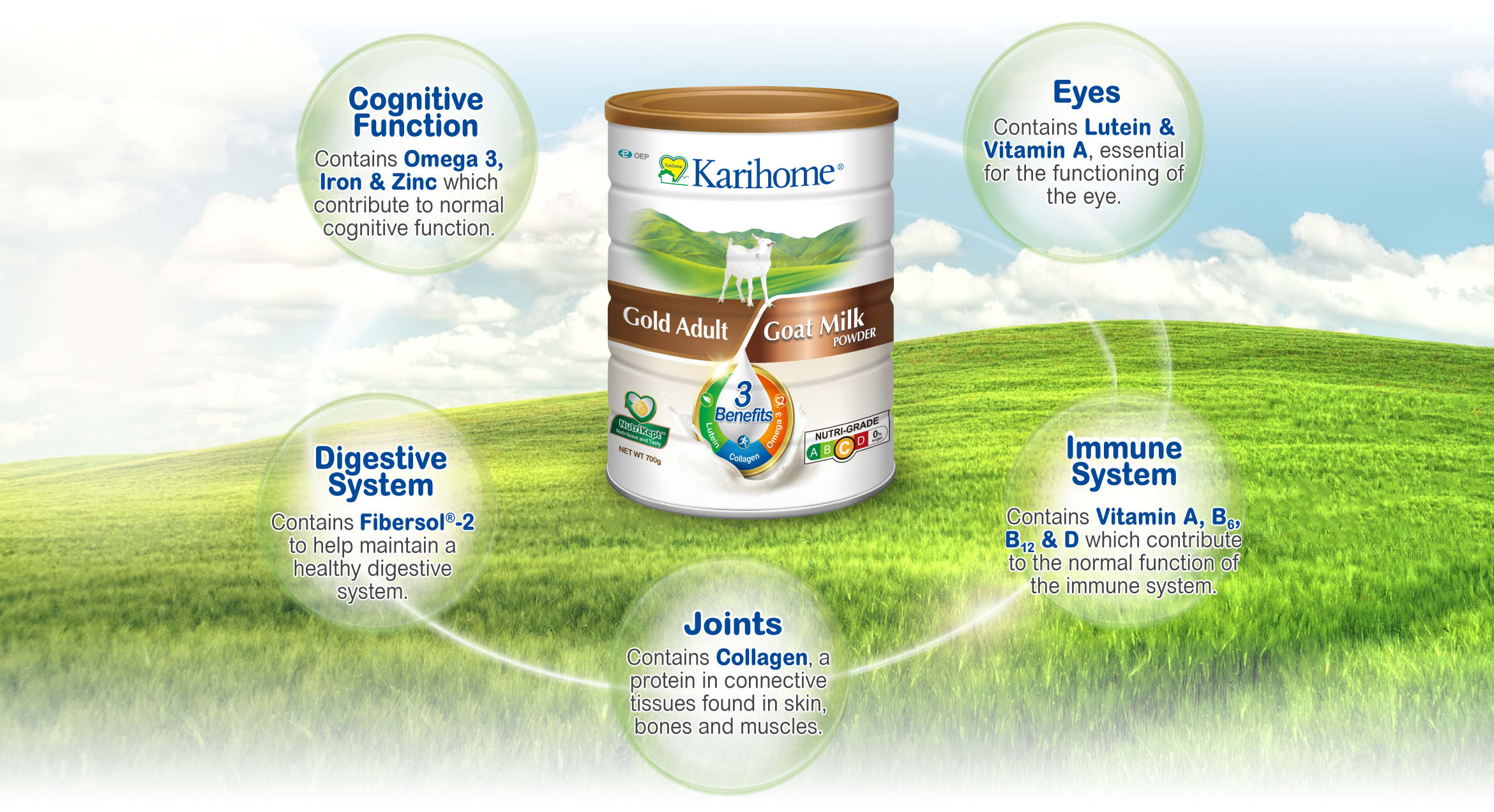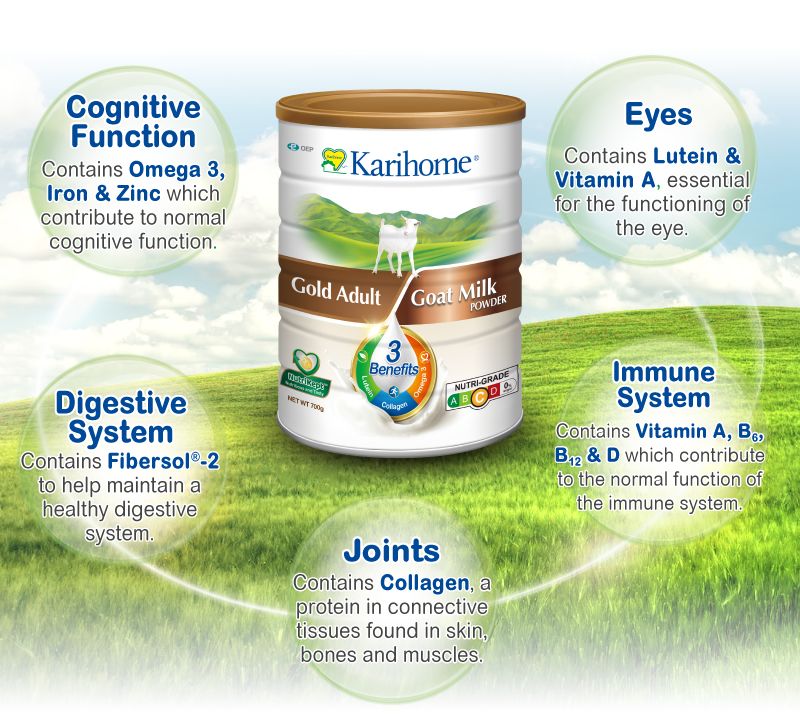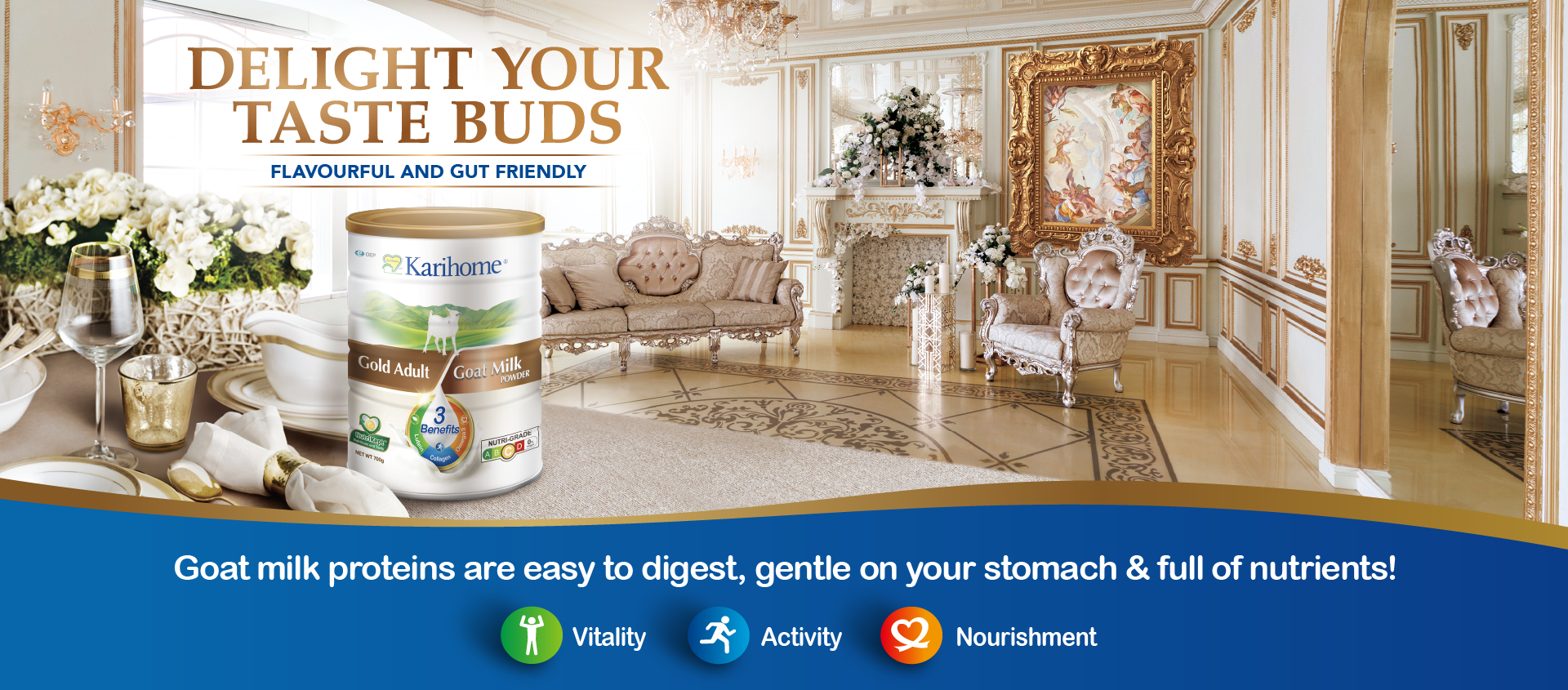
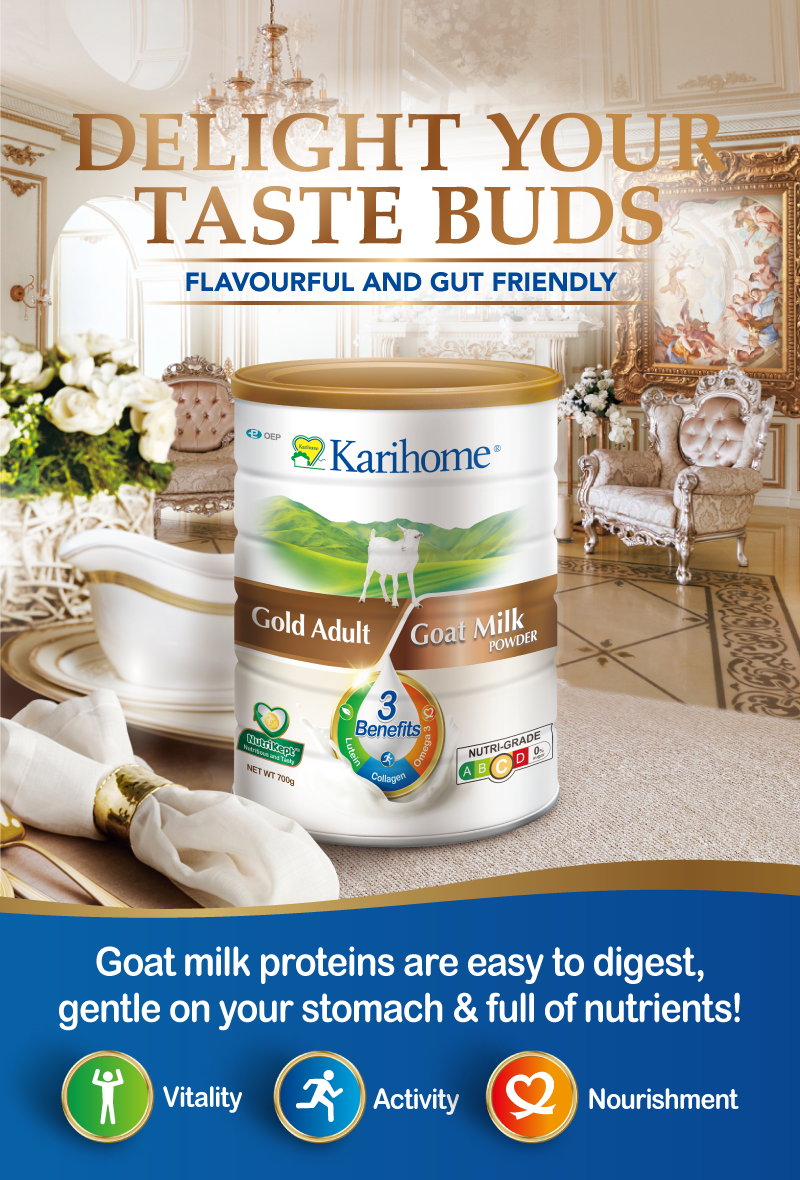


We maintain stringent quality control, with 100% of our goat milk sourced directly from our own farms in New Zealand.

Our unique production system uses minimal processing to help preserve whole goat milk's natural bioactive nutrients, including A2 β-casein, MCTs, and vitamins A, D, and E.


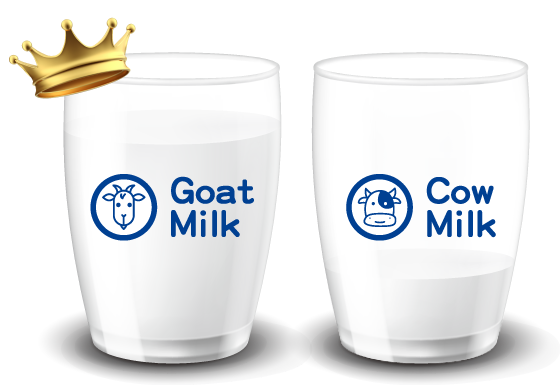
Goats have human-like milk secretion methods, allowing goat milk to contain more bioactive nutrients than cow’s milk. Goat milk also has three times the amount of natural nutrients like nucleotides, taurine, and glutamic acid, supporting a strong foundation for your mental and physical health.



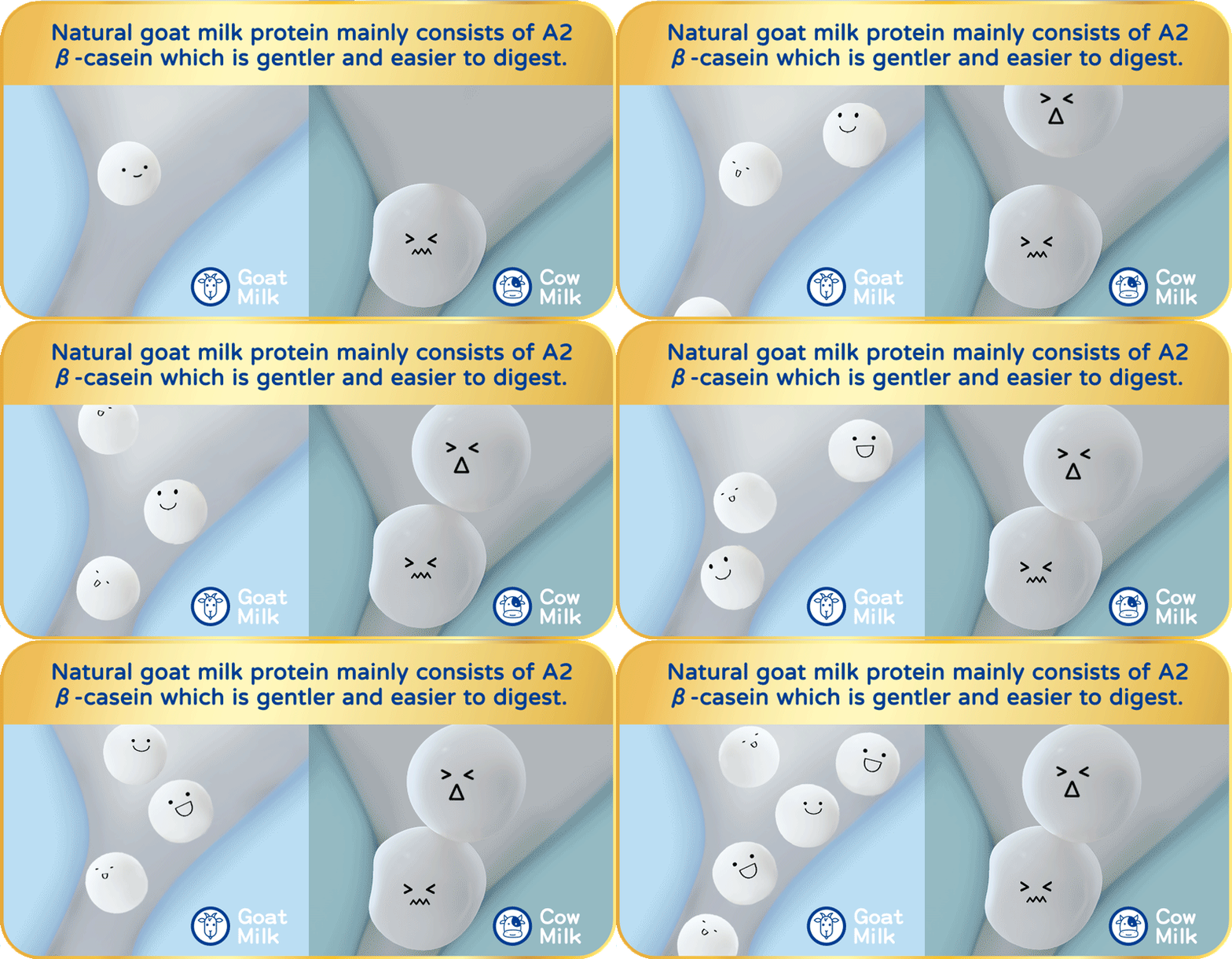
Goat milk consists mainly of A2 β-casein³, which has a looser structure that aids the action of digestive enzymes. This easily digested protein is less likely to cause bloating and allows for better nutrient absorption.

Goat milk consists mainly of A2 β-casein³, which has a looser structure that aids the action of digestive enzymes. This easily digested protein is less likely to cause bloating and allows for better nutrient absorption.
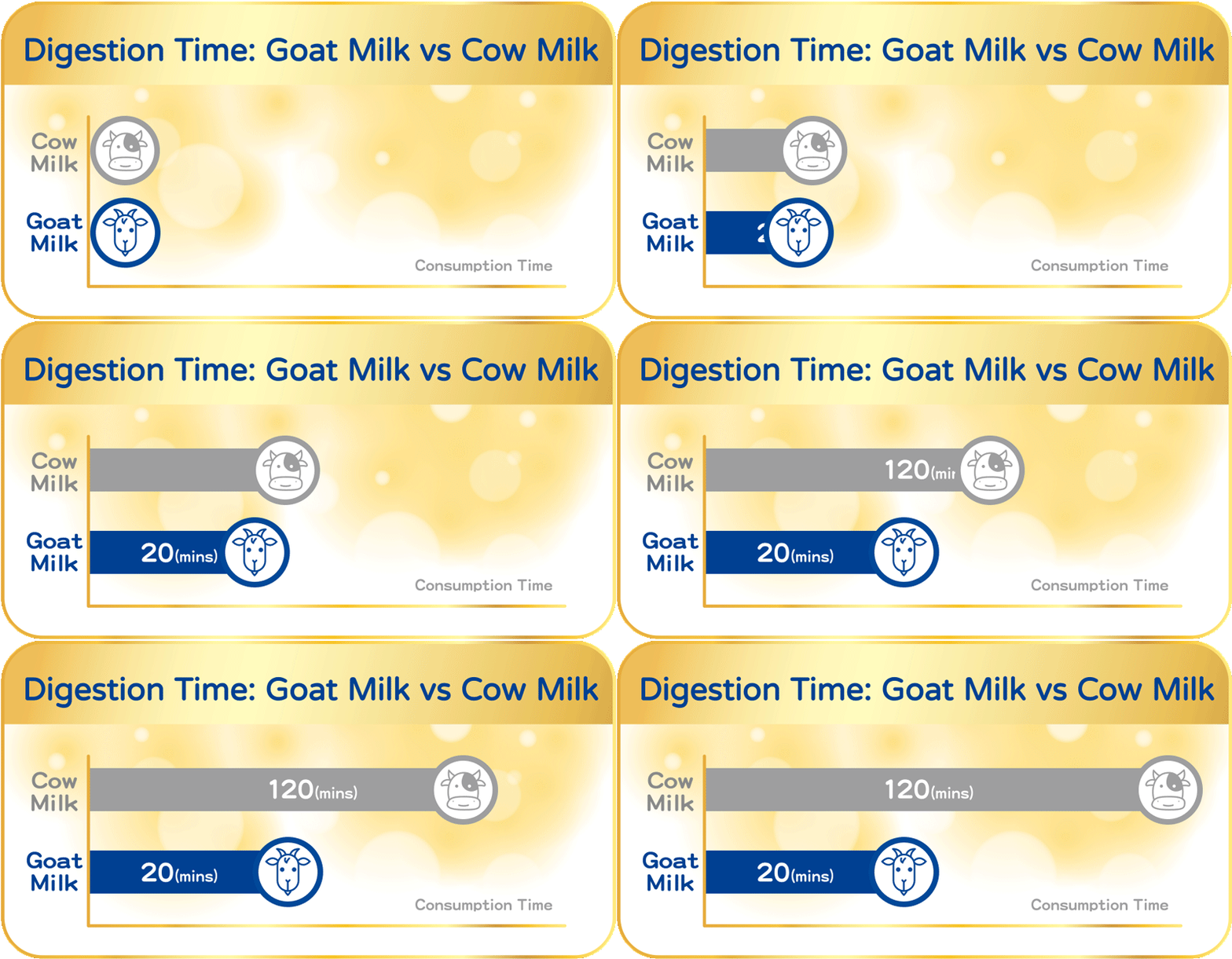
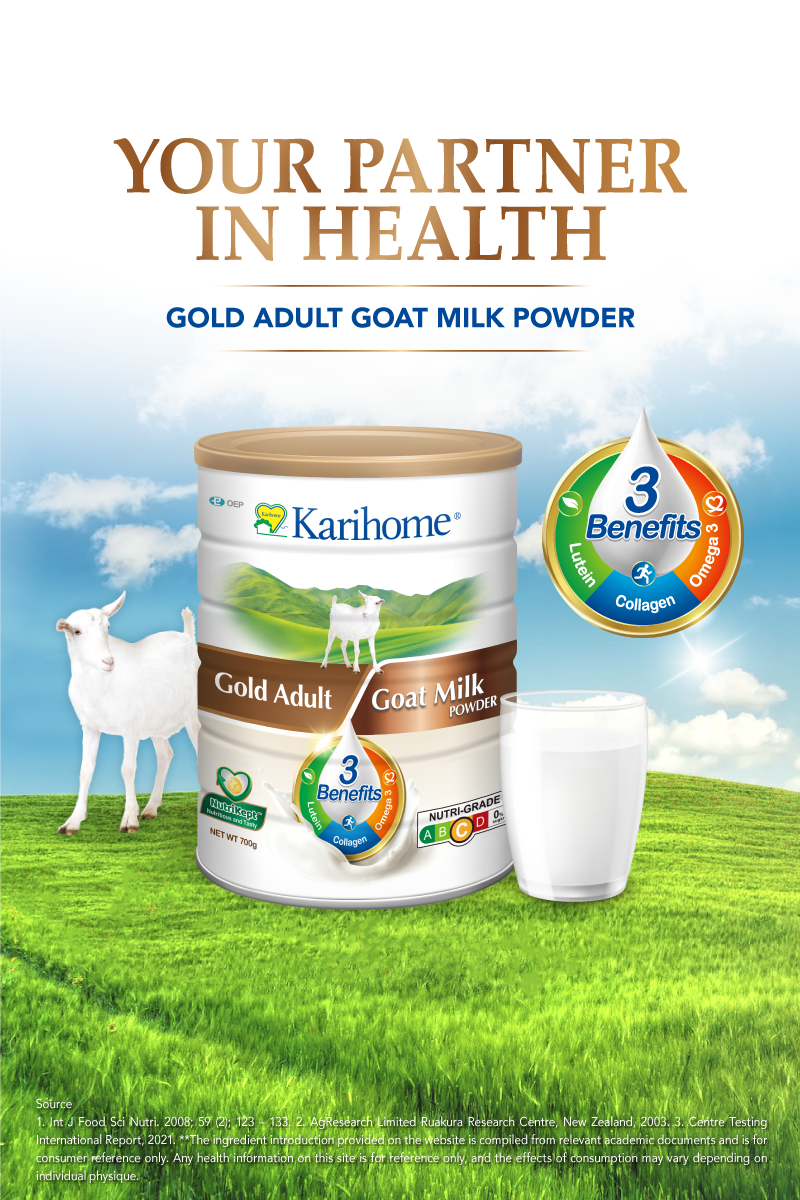
No, goat milk is not heaty. Goat milk is very easy to digest and absorb. The natural oligosaccharides in goat milk promote the growth of good bacteria in the body, which may help in bowel movement.
The transition from breast milk or formula to solid foods is one of the most common times for toddlers to have hard stools because the digestive system needs time to adapt.
As every toddler’s stool texture and pattern is different. What may seem regular for your toddler may be different from another toddler.
It is important for toddlers to drink enough fluids to keep their bodies properly hydrated and bowels moving regularly. When increasing the amount of fiber in your toddler’s diet, it is important to keep increasing the amount of water to help process the added fiber.
Fresh goat milk naturally contains short-chain fatty acids that can contribute to its characteristic “goaty” taste, particularly if the milk fat is damaged during handling and processing.
To help maintain a mild and pleasant taste, Dairy Goat Co-operative (DGC) in New Zealand carefully manages the milk from farm to production. This includes strict guidelines on goat nutrition and milking practices, as well as rapid cooling of the fresh milk to help protect the milk fat. DGC goats are raised in New Zealand’s natural environment with access to high-quality pastures.
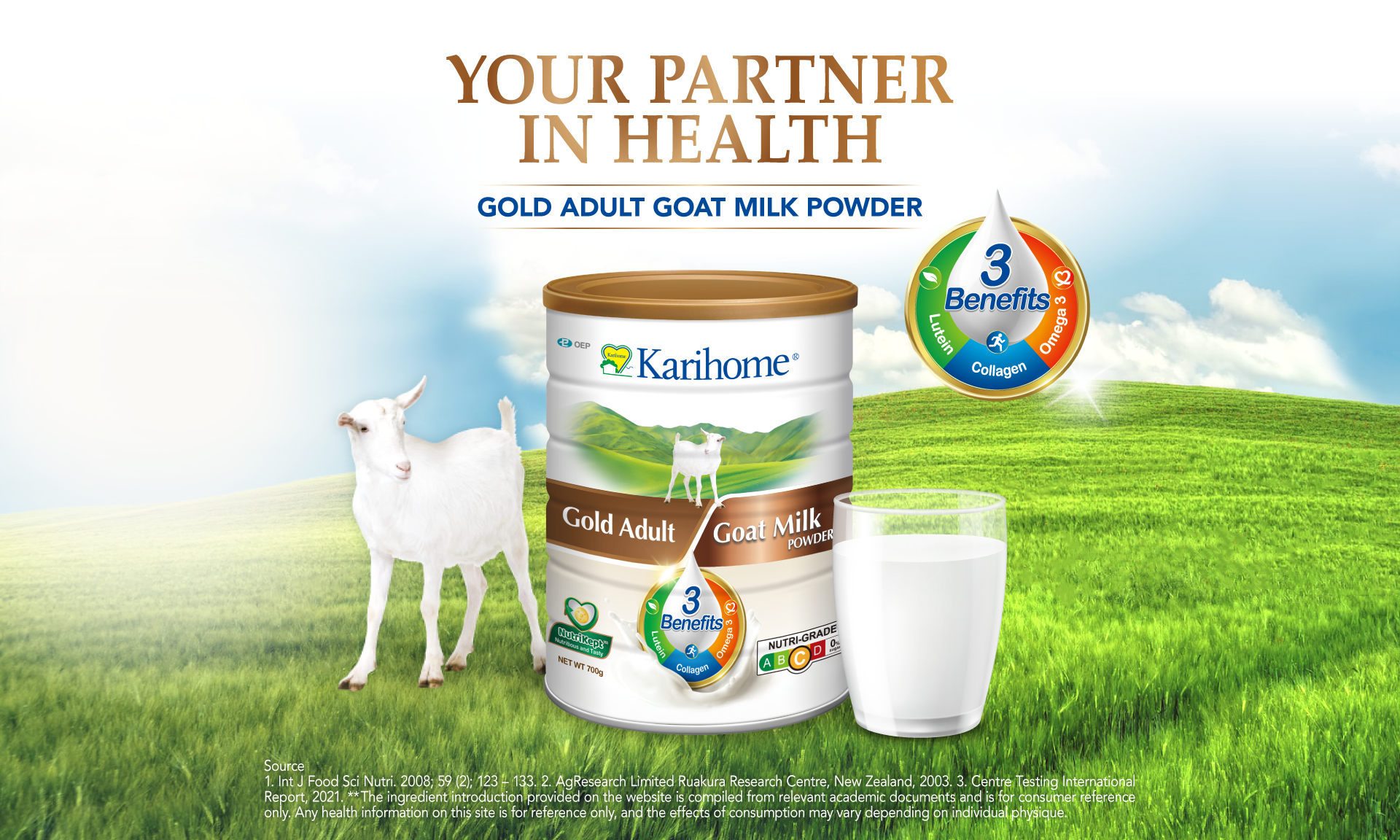
Karihome Goat Milk Formula is also produced using NutriKept™ Technology, a specialised manufacturing process designed to minimise unnecessary processing and help preserve the natural qualities of whole goat milk.
As a result, Karihome Goat Milk Formula has a mild, smooth and creamy taste without the strong “goaty” flavour some people may associate with goat milk, making it pleasant and easy to drink.
No sucrose is added in Karihome goat milk formulas. The source of sugar is the natural lactose inherent in goat milk. Rest assured the consumption of Karihome formulas will not cause sugar addition.
There is no palm oil in Karihome products.
The fat content of formula must be modified to include several essential fatty acids. Many formulas are based on skim milk where the milk fat is replaced by vegetable oils, including palm oil.1
DGC has adopted an alternative approach, using whole goat milk to retain milk fat. Vegetable oils are still added to top up the essential unsaturated fatty acids in goat milk, but it is not necessary to use palm oil if milk fat is included in the formula.
Our research has also shown that there is also no need to use highly modified ingredients such as OPO.2
References:
1. Delplanque et al, 2015
2. Prosser et al, 2010
Karihome Adult Goat Milk Formula may not be suitable for vegetarians, as it contains fish-derived ingredients such as fish oil powder and collagen (fish). We include these ingredients to provide additional nutrients that help support overall well-being. We recommend checking the ingredient list to ensure it meets your dietary preferences.